Roof leaks are one of the most common issues property owners face, and they can lead to serious damage if not addressed promptly. While a leak may appear as a small stain or drip, it often indicates a deeper problem within the roofing system.
Understanding the causes of roof leaks is the first step toward preventing them and protecting your home or commercial property from costly repairs.
Damaged or Missing Roofing Materials
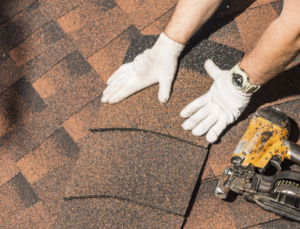
One of the most frequent causes of roof leaks is damaged or missing materials. Shingles, tiles, or roofing membranes can become loose, cracked, or completely displaced due to age, weather, or impact.
When this protective layer is compromised, water can penetrate the roof and reach the underlying structure.
Regular inspections help identify these issues early and prevent further damage.
Flashing Failures Around Critical Areas
Flashing is installed around roof penetrations such as chimneys, vents, skylights, and edges to prevent water intrusion. Over time, flashing can deteriorate, loosen, or become improperly sealed.
When flashing fails, water can easily enter these vulnerable areas, leading to leaks that may not be immediately visible.
Proper installation and periodic inspection of flashing are essential for maintaining a watertight roof.
Poor Drainage and Ponding Water
Drainage issues are a major concern, especially for low slope or flat roofs. When water does not drain properly, it can collect and form standing or ponding water.
Over time, this standing water can weaken roofing materials, increase the risk of leaks, and accelerate deterioration.
Ensuring that gutters, drains, and slopes are functioning correctly helps prevent water buildup.
Aging Roofing Systems
All roofing materials have a limited lifespan. As a roof ages, it becomes more vulnerable to leaks due to natural wear and tear.
Materials may lose their ability to repel water effectively, and small cracks or gaps can develop over time.
Regular maintenance becomes even more important as a roof approaches the end of its lifespan.
Storm and Weather Damage
Severe weather conditions such as hail, strong winds, and heavy rain can cause immediate and sometimes hidden damage to roofing systems.
Impact damage, lifted materials, and weakened seals can all lead to leaks if not addressed quickly.
After major weather events, it is important to inspect your roof for signs of damage.
Improper Installation
A roof that is not installed correctly is more likely to develop problems over time. Poor workmanship can result in gaps, weak seals, and improperly secured materials.
Even high-quality materials will not perform effectively if installation standards are not followed.
Working with experienced professionals helps ensure that your roof is installed properly from the start.
How to Prevent Roof Leaks
Preventing roof leaks involves a combination of regular maintenance, timely repairs, and proper installation practices.
Key preventative steps include:
- Scheduling routine roof inspections
- Addressing minor damage as soon as it appears
- Keeping gutters and drainage systems clear
- Ensuring proper ventilation and insulation
- Checking flashing and seals around roof penetrations
Taking these steps can significantly reduce the risk of leaks and extend the life of your roof.
The Importance of Early Detection
Many roof leaks begin as small, unnoticed issues that worsen over time. Early detection allows for quick repairs that prevent more extensive damage.
Signs such as water stains, musty odors, or visible wear should never be ignored. Addressing these warning signs early can save time, money, and stress.
Protecting Your Property from Water Damage
Roof leaks can lead to serious consequences, including structural damage, mold growth, and damage to interior spaces. Preventative care and timely repairs are essential for maintaining the safety and integrity of your property.
By understanding the common causes of roof leaks and taking proactive measures, you can ensure that your roofing system continues to perform reliably.