Understanding the Difference Between Roof Repair and Replacement
Homeowners often face uncertainty when dealing with roofing issues—whether a simple repair will solve the problem or if a full roof replacement is necessary. The right decision depends on the extent of the damage, the age of the roof, and the overall condition of the roofing system.
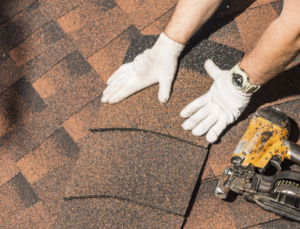
Roof repair is typically used to fix localized issues such as leaks or damaged shingles, while roof replacement involves removing the entire roofing system and installing a new one. Understanding this difference is important to avoid unnecessary costs or future problems.
Common Signs Your Roof Needs Repair
Not all roofing issues require a full replacement. In many cases, targeted repairs can restore the performance of your roof and extend its lifespan.
Some of the most common signs that indicate your roof may only need repair include:
- Minor leaks or water stains on ceilings
- Missing or damaged shingles in isolated areas
- Small areas of storm damage
- Loose or damaged flashing around vents or chimneys
- Normal wear and tear due to age
Addressing these issues early can prevent them from developing into more serious problems that affect the entire roof.
Signs That Indicate a Roof Replacement May Be Necessary
There are situations where repairs are no longer enough to maintain the integrity of your roof. When damage becomes widespread or the roof has reached the end of its lifespan, replacement is often the more effective long-term solution.
You may need a roof replacement if you notice:
- Frequent or recurring leaks in multiple areas
- Significant shingle deterioration or loss
- Sagging sections or structural concerns
- Extensive storm or hail damage
- Rising energy costs due to poor insulation
- A roof that is more than 20–30 years old
In these cases, continuing to repair the roof may only provide temporary relief and lead to higher costs over time.
The Impact of Colorado Weather on Your Roof
Colorado’s climate plays a major role in how roofing systems age and perform. Hailstorms, strong winds, heavy snowfall, and temperature fluctuations can accelerate wear and damage.
Even if your roof appears to be in good condition, exposure to repeated weather events can weaken materials over time. This is why regular inspections are especially important in regions with unpredictable weather conditions.
Why a Professional Roof Inspection Matters
Determining whether your roof needs repair or replacement requires a detailed evaluation. Many issues are not visible from the ground and can only be identified through a professional inspection.
A roofing professional will assess:
- The condition of shingles or roofing membranes
- Structural integrity of the roof
- Signs of moisture or hidden damage
- Overall lifespan and performance of the system
This assessment helps ensure that you receive an accurate recommendation based on your roof’s actual condition.
Cost Considerations: Repair vs Replacement
Cost is often a deciding factor when choosing between repair and replacement. While repairs are generally less expensive upfront, they may not always be the most cost-effective option in the long run.
If your roof requires frequent repairs or has widespread damage, investing in a full replacement can provide better value by eliminating ongoing maintenance costs and improving energy efficiency.
Making the Right Decision for Your Property
Choosing between roof repair and replacement is not always straightforward. The best decision depends on your roof’s condition, your budget, and your long-term goals.
A well-maintained roof protects your home, improves energy efficiency, and adds value to your property. Taking the time to properly evaluate your options ensures that you make a decision that provides lasting benefits.
When to Take Action
If you notice signs of damage or are unsure about the condition of your roof, scheduling an inspection is the best first step. Early action can prevent small issues from turning into major problems and help you avoid unexpected expenses.