The lifespan of a roof can vary significantly depending on the materials used, the quality of installation, and the environmental conditions it is exposed to. In Colorado, roofs often experience more stress than in other regions due to frequent hailstorms, strong winds, heavy snowfall, and rapid temperature changes.
Because of these factors, understanding how long a roof is expected to last—and what influences that lifespan—is essential for planning maintenance, repairs, and eventual replacement.
Average Lifespan of Common Roofing Materials
Different roofing systems are designed to perform for varying lengths of time. Knowing what to expect from each material can help you make informed decisions.
Asphalt Shingle Roofs
Asphalt shingles typically last between 20 to 30 years. Their lifespan can vary based on the quality of the shingles and exposure to severe weather conditions.
Metal Roofing Systems
Metal roofs are known for their durability and can last 40 to 70 years or more. They perform well in harsh weather and require minimal maintenance.
Tile Roofing Systems
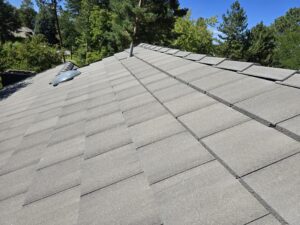
Tile roofs, including concrete and slate, often last 50 years or longer. They are highly durable but require proper structural support due to their weight.
Low Slope Roofing Systems
Commercial systems such as TPO, EPDM, and modified bitumen generally last between 20 to 30 years, depending on installation quality and maintenance.
How Colorado Weather Affects Roof Longevity
Colorado’s climate plays a major role in how long a roof lasts. The combination of environmental factors can accelerate wear and reduce the lifespan of roofing materials.
Hailstorms
Frequent hailstorms can cause impact damage that weakens shingles and roofing membranes, even if the damage is not immediately visible.
Temperature Fluctuations
Rapid changes between hot and cold temperatures cause materials to expand and contract, which can lead to cracking and deterioration over time.
Snow and Ice
Heavy snowfall and freeze-thaw cycles can place additional stress on roofing systems, especially in areas with poor drainage.
UV Exposure
High elevation and intense sunlight increase UV exposure, which can break down roofing materials and reduce their effectiveness.
The Role of Installation Quality
Even the best roofing materials will not perform as expected if they are not installed correctly. Proper installation ensures that all components of the roofing system work together to provide protection and durability.
Key factors include:
- Correct installation of underlayment and flashing
- Proper ventilation to regulate temperature and moisture
- Secure fastening and sealing of materials
- Compliance with manufacturer guidelines
A professionally installed roof is more likely to reach or exceed its expected lifespan.
Maintenance and Its Impact on Roof Life
Regular maintenance is one of the most effective ways to extend the life of your roof. Small issues can develop into major problems if they are not addressed early.
Recommended maintenance practices include:
- Annual roof inspections
- Prompt repair of minor damage
- Cleaning gutters and drainage systems
- Checking for signs of wear after storms
Consistent maintenance helps preserve the integrity of your roofing system and prevents premature failure.
Warning Signs Your Roof Is Nearing the End of Its Life
As a roof ages, certain signs may indicate that it is approaching the end of its usable lifespan.
- Frequent leaks or recurring issues
- Visible wear, cracking, or material deterioration
- Missing or damaged shingles across large areas
- Sagging or structural concerns
- Increased energy costs due to poor insulation
Recognizing these signs early allows you to plan for replacement before more serious problems occur.
Planning for Roof Replacement
Understanding the expected lifespan of your roof allows you to plan ahead for replacement. This helps avoid unexpected costs and ensures that your property remains protected.
When planning for replacement, consider:
- The current condition of your roof
- Your long-term budget
- The best materials for your property
- Timing based on weather and seasonal conditions
A proactive approach ensures a smoother transition when replacement becomes necessary.
Protecting Your Investment
Your roof is one of the most important components of your property. Taking steps to understand its lifespan, maintain its condition, and address issues early helps protect your investment and ensure long-term performance.
With proper care and professional guidance, you can maximize the lifespan of your roofing system and avoid unnecessary expenses.